
The Dense Center Of An Atom
Imagine the biggest stadium you can think of, packed to the brim with cheering fans. Now, shrink that entire stadium down, way down, until it's the size of a juicy blueberry.
That blueberry? That's kind of like an atom. But here's the really mind-blowing part: almost all the weight of that stadium, all those screaming fans, is crammed into the very center of that tiny blueberry.
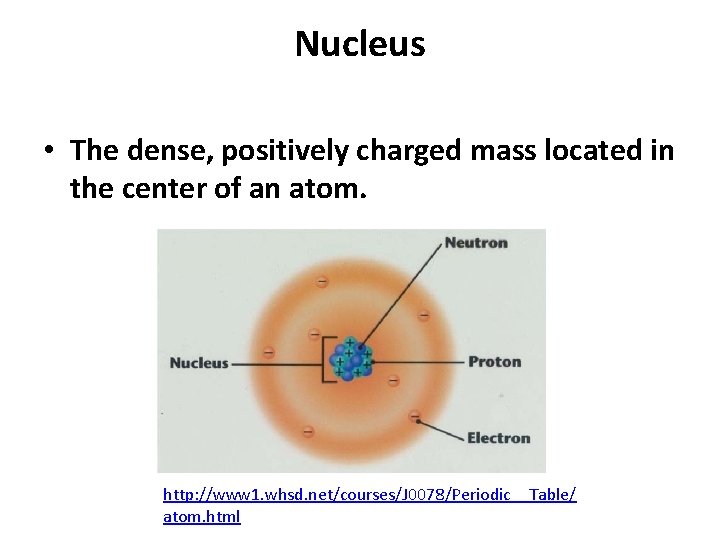
We're talking about the atom's nucleus, the dense heart of everything!
Must Read
The Mighty Nucleus: A Tiny Titan
The nucleus is the atom's control center, its power plant, its VIP lounge all rolled into one super-small package. It's so small, it makes finding a needle in a haystack look like a walk in the park.
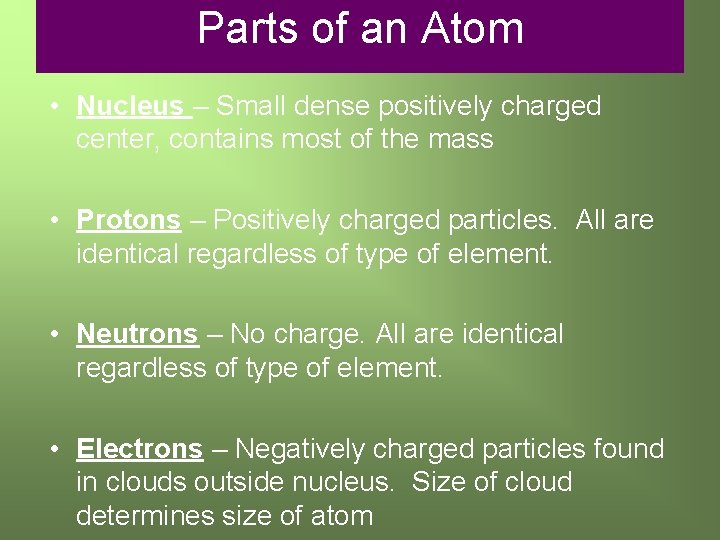
But don't let its size fool you. Inside this minuscule space reside the atom's heavy hitters: the protons and the neutrons.
Think of protons as the football players, big and strong, giving the nucleus its positive charge. And the neutrons? They're the referees, neutral and keeping everything stable.
Why So Dense? It's All About the Squeeze!
Now, why is the nucleus so incredibly dense? Well, imagine trying to squeeze all the people in your town into your living room.
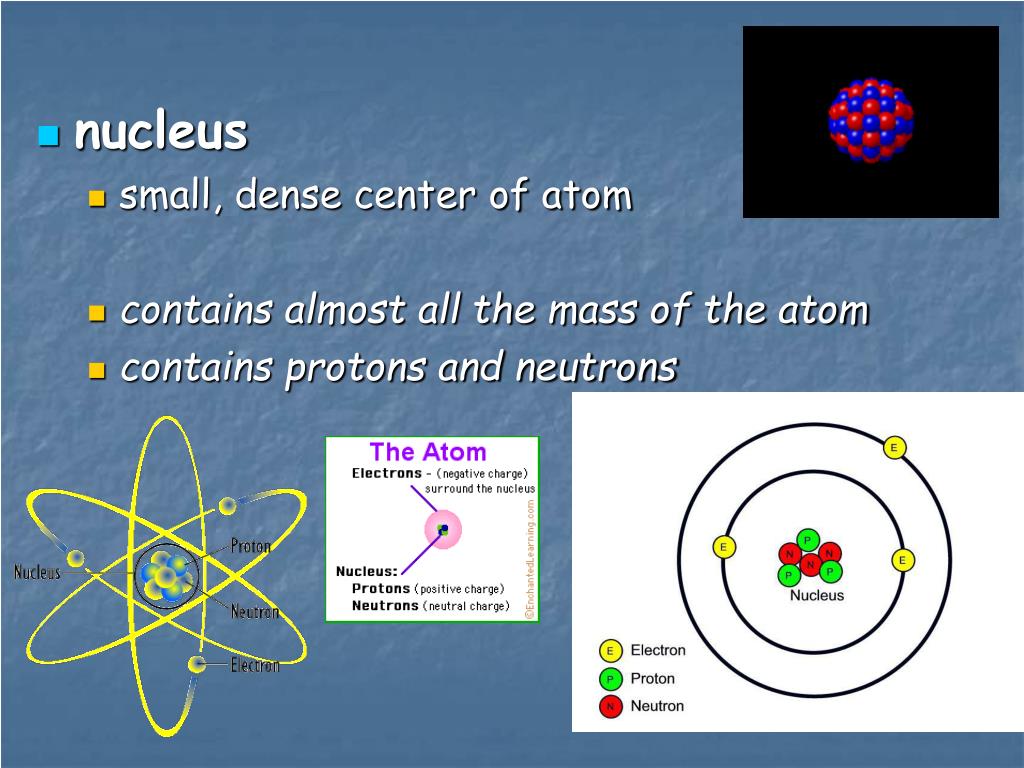
That's kind of what's happening inside the nucleus! All those protons and neutrons are packed together tighter than sardines in a can.
And what's holding them together? That's where the strong nuclear force comes in, the ultimate super glue!
This force is unimaginably powerful, strong enough to overcome the natural repulsion between the positively charged protons. Without it, the nucleus would fly apart faster than you can say "atomic explosion!"
Electrons: The Wild Orbiters
Okay, so we've got this ridiculously dense nucleus at the center of our atom. But what about the rest of the space? That's where the electrons come in, like tiny, buzzing bees orbiting a giant, central hive.

Electrons are much, much lighter than protons and neutrons. If the nucleus was a bowling ball, an electron would be like a feather caught in the wind.
They zip around the nucleus at incredible speeds, creating a fuzzy cloud of negative charge. This cloud is what gives the atom its size and determines how it interacts with other atoms.
The "Empty" Space: Not Really Empty at All
Here's another mind-bender: most of an atom is actually empty space! If you could somehow remove all the empty space from every atom in your body, you'd be smaller than a grain of sand.
But that doesn't mean the space around the nucleus is truly empty. It's filled with the buzzing, swirling electrons, creating a field of energy that defines the atom's behavior.
Think of it like a solar system. The sun (the nucleus) is incredibly dense and massive, while the planets (electrons) are much smaller and spread out over vast distances.

Why This Matters: The Power of the Tiny
So, why should you care about the dense center of an atom? Because it's the key to understanding everything around you! The way atoms interact with each other determines the properties of all matter, from the air you breathe to the screen you're reading this on.
The nucleus is the source of nuclear energy, both the kind that powers cities and the kind that, well, you know... the kind that can cause a big boom. Understanding the nucleus is crucial for harnessing this power safely and responsibly.
And the density of the nucleus is essential for making heavy elements. Stars are essentially giant element-making factories. They squeeze atoms together with so much force that they create new, heavier elements in their cores.
The Nucleus in Everyday Life (Sort Of)
Okay, you might not be thinking about atomic nuclei while you're making a sandwich. But the principles behind their structure influence many things you encounter every day.
For instance, medical imaging techniques like MRI (Magnetic Resonance Imaging) rely on the properties of atomic nuclei to create detailed images of the inside of your body. Scientists can manipulate the nuclei of atoms using magnetic fields to generate these images.
Also, consider nuclear medicine. Radioactive isotopes, which have unstable nuclei, are used to diagnose and treat various diseases. These isotopes emit radiation that can be detected or used to destroy cancerous cells.
So Next Time... Think Small, Think Big!
Next time you look around you, take a moment to appreciate the incredible complexity hidden within the seemingly simple matter that makes up everything. Remember that everything is built from the world's smallest particles.
The dense center of the atom, that tiny, powerful nucleus, is the key to understanding the universe, one atom at a time. It all begins with a proton, a neutron and a whole lot of nuclear force!
From the stars in the sky to the cells in your body, the dense nucleus is the unsung hero of the universe, working tirelessly behind the scenes to make everything possible.
"We are all made of star stuff." - Carl Sagan