
Isotopes Of An Atom Differ In
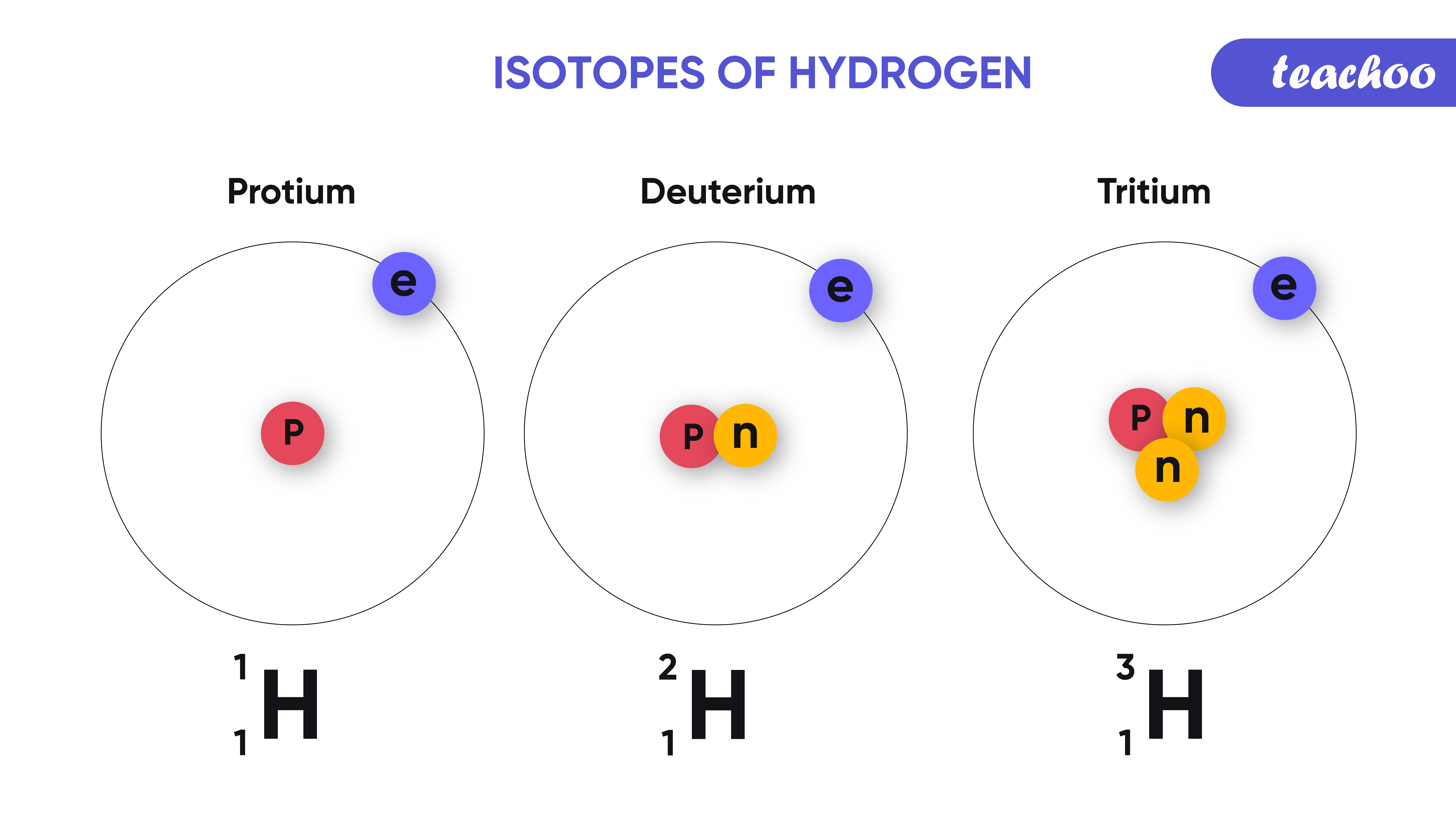
Ever felt like something was just slightly off, even though it looked identical? That's kind of what's going on inside the atom! We're diving into the fascinating world of isotopes, and trust me, even though it sounds like something from a sci-fi movie, it’s surprisingly relevant to everyday life. From understanding the age of ancient artifacts to medical treatments, isotopes play a vital role. And the key to understanding isotopes? Knowing what makes them different from each other.
So, what's the big secret? Isotopes of the same element might look and act (chemically, at least) pretty similar, but they differ in the number of neutrons they have in their nucleus. Think of it like having different versions of the same building – the blueprint (number of protons) is the same, so it's still the same element, but you've added or removed a few bricks (neutrons), changing the overall weight and affecting some of its properties.
Let’s break that down further. Every atom has a nucleus containing protons and neutrons (except for hydrogen, which is a bit of a rebel and can exist without a neutron). The number of protons defines what element the atom is. All atoms with one proton are hydrogen, all atoms with six protons are carbon, and so on. This number is called the atomic number. Now, the number of neutrons can vary within the same element. That's where isotopes come in!
Must Read
For example, carbon-12 (12C) has 6 protons and 6 neutrons, while carbon-14 (14C) has 6 protons and 8 neutrons. Both are carbon, they both behave chemically the same way (mostly!), but they are different isotopes of carbon. See? Not so scary after all!
Why should you care? Well, these tiny differences in neutron number lead to some huge implications. One major benefit is in radiometric dating. Carbon-14, being unstable, decays over time at a known rate. By measuring the amount of carbon-14 left in an ancient artifact (like a piece of wood or bone), scientists can accurately determine its age. This is crucial in archaeology and paleontology, allowing us to understand our history and the evolution of life on Earth.

Another incredible application is in medicine. Certain isotopes are used in medical imaging to diagnose diseases and track biological processes. For example, radioactive isotopes can be used to pinpoint tumors or assess organ function. Furthermore, radiation therapy utilizing specific isotopes is a powerful tool in fighting cancer, carefully targeting and destroying cancerous cells.
So, the next time you hear about isotopes, don't switch off! Remember they are simply atoms of the same element with different numbers of neutrons. These seemingly small differences allow scientists to unlock secrets of the past, diagnose and treat diseases, and gain a deeper understanding of the world around us. Understanding this fundamental concept opens a door to a whole world of scientific possibilities – and who knows, maybe you'll be the one to discover the next groundbreaking application of isotope research!


